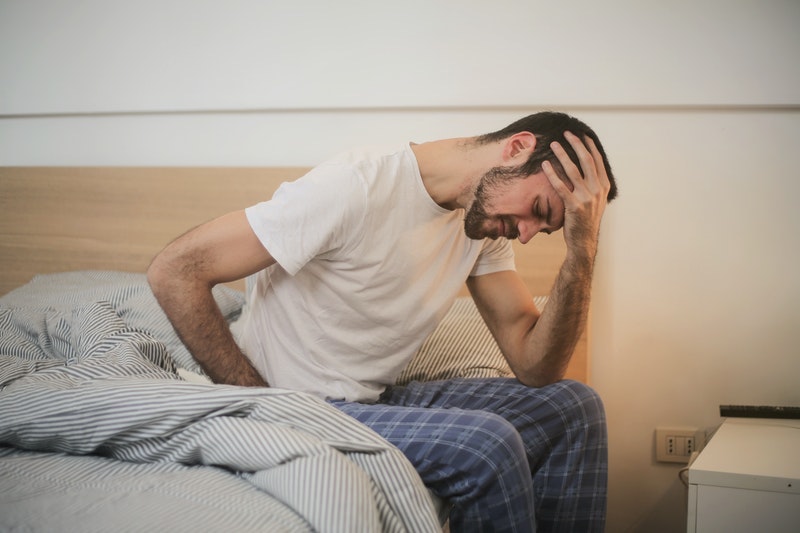
SLEEP SOUNDLY THIS HOLIDAY SEASON: TIPS FOR SNORE-FREE NIGHTS
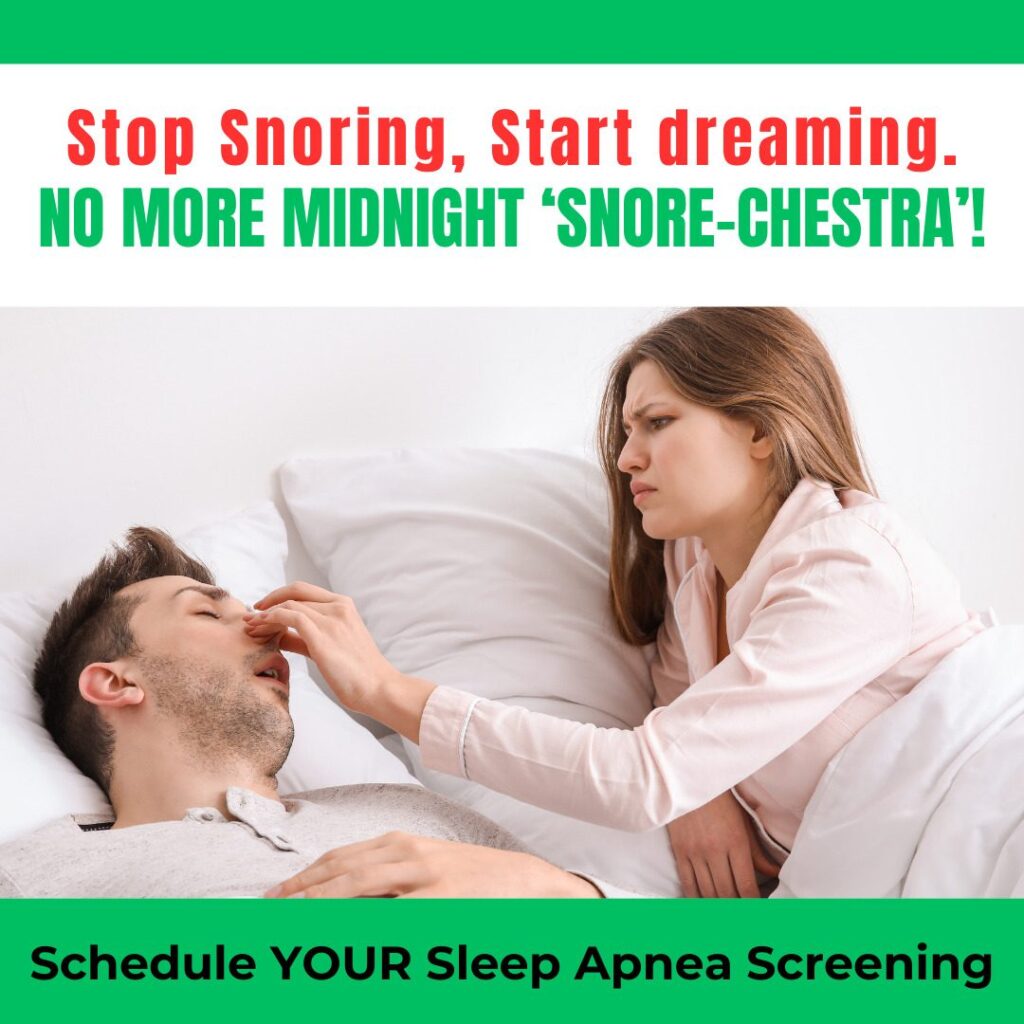
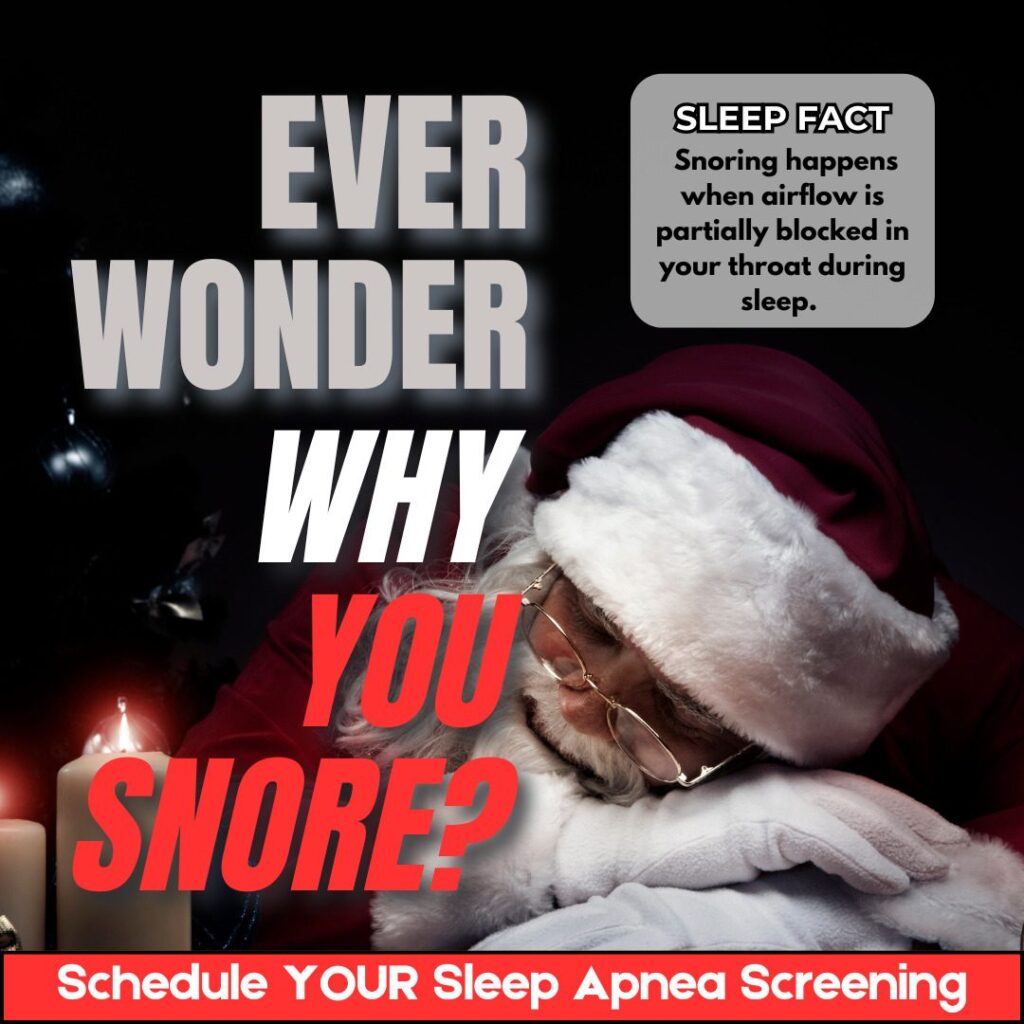
The holidays should be filled with Silent Nights and Joyful Days, but snoring can put a damper on the cheer! We hope the festive tips keep the nights quiet and restful for everyone. Wishing you a Merry Christmas and a Silent Night
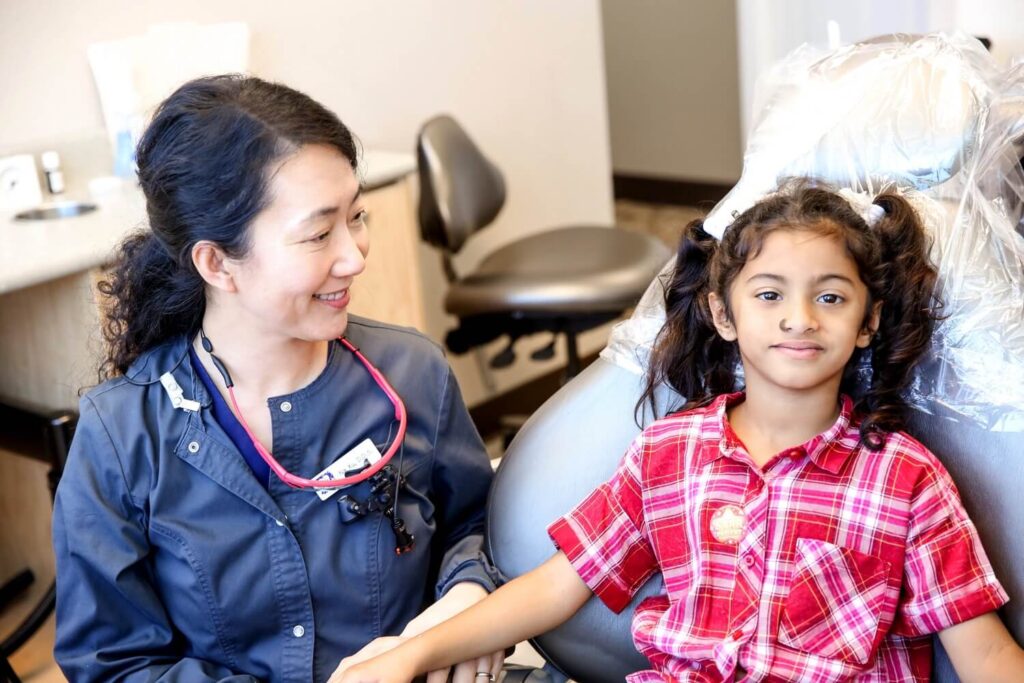
Sleep apnea, often thought of as a condition affecting adults, also poses significant risks to children’s health and well-being. Children with untreated sleep apnea may experience daytime sleepiness, poor concentration, and behavioral issues, which can interfere with their academic performance and social interactions. Additionally, sleep apnea has been linked to deficits in attention, memory, and executive functioning in children. Chronic sleep disturbances may contribute to growth delays, cardiovascular problems, and metabolic disorders such as obesity and insulin resistance.
Identifying sleep apnea in children can be challenging, as the symptoms may differ from those seen in adults. While snoring is a common symptom, children with sleep apnea may also exhibit other signs such as restless sleep, frequent awakenings, bedwetting, and daytime mouth breathing. It is essential for parents and caregivers to be vigilant and consult a healthcare professional if they suspect their child may have sleep apnea. Early recognition and intervention are crucial for preventing long-term complications and improving outcomes for children with sleep apnea.
SLEEP HYGIENE TIPS FOR KIDS
Arranging a balanced schedule with interspersed periods of rest and play
Keeping a regular bedtime
Making the bedroom, and especially the mattress, a no-screen zone, even during the day
Providing a healthy diet
Setting the thermostat to a slightly cooler temperature
Using dark curtains to block out light, or a nightlight if they’re scared of the dark
Keeping the bedroom quiet, or using a white noise machine to mask outside sounds
ASK US HOW YOU CAN RECEIVE A SLEEP WELLNESS CONSULTATION!
If you are interested in getting back your best sleep, contact us today to request your appointment. We’ll work with you to develop a personalized treatment plan that meets your dental needs and longtime dreams.
Why Treating Sleep Apnea is Crucial for Mental Health
Sleep apnea, a common sleep disorder characterized by repeated interruptions in breathing during sleep, is not just a physical health concern. It has significant implications for mental health as well.
Sleep Apnea and Its Impact on Mental Health:
Daytime Fatigue and Cognitive Function: The frequent disruptions in sleep caused by sleep apnea prevent the brain from entering the restorative stages of sleep.
Mood Disorders: Sleep apnea is closely linked with mood disorders such as depression and anxiety. Patients with sleep apnea are more likely to experience persistent feelings of sadness, hopelessness, and irritability.
Stress and Coping: Living with untreated sleep apnea can be stressful. The constant struggle with fatigue, combined with the potential health risks, can take a toll on mental health.
Managing Sleep Apnea for Better Mental Health:
Oral Appliances: Improves sleep quality and reduces daytime fatigue, which can positively impact mood and cognitive function.
Mental Health Support: Seeking support from mental health professionals can help manage the emotional and psychological aspects of sleep apnea.
Healthy Lifestyle Choices: Regular exercise, a balanced diet, and good sleep hygiene can improve both sleep apnea and mental health.
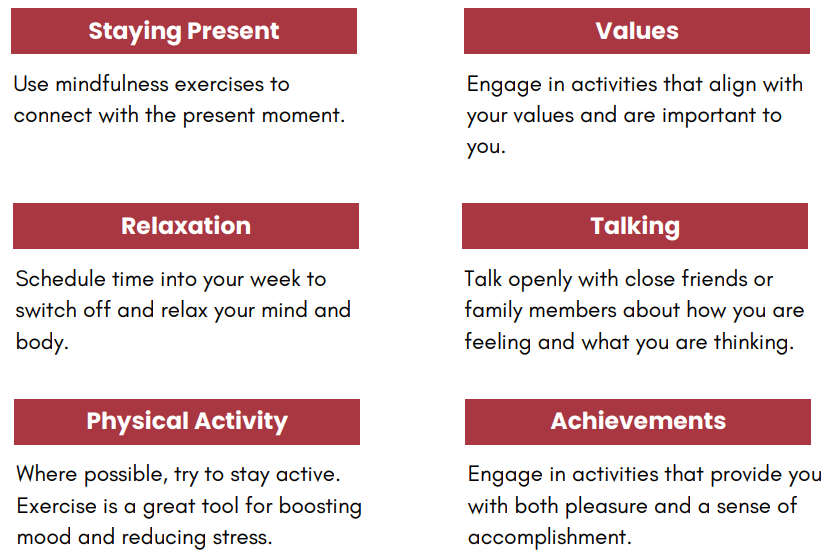
POSITIVE MENTAL HEALTH HABITS TO TRY AND MAINTAIN
ASK US HOW YOU CAN RECEIVE A SLEEP WELLNESS CONSULTATION!
If you are interested in getting back your best sleep, contact us today to request your appointment. We’ll work with you to develop a personalized treatment plan that meets your dental needs and longtime dreams.
Exploring How Pregnancy Influences Sleep Apnea Risk
Pregnancy heralds profound physical and hormonal shifts, often accompanied by a range of sleep disruptions. Among these, obstructive sleep apnea (OSA) can surface or intensify during this period.
Obstructive sleep apnea is a condition characterized by repeated episodes of complete or partial obstruction of the upper airway during sleep.
Awareness of risk factors, symptoms, and treatment options empowers expectant mothers to prioritize their health and navigate pregnancy and beyond with greater ease.
Factors that can increase OSA risk during pregnancy
Excess weight, particularly around the neck and throat area, can contribute to airway obstruction during sleep, exacerbating sleep apnea symptoms.
Hormonal Changes can affect muscletone and relaxation of the upper airway muscles.
Nasal Congestion occurs due to increased blood flow to the mucous membranes in the nose, a condition commonly known as pregnancy rhinitis.
Gestational Hypertension and Preeclampsia is linked to sleep apnea which can potentially lead to complications during pregnancy and delivery.
ASK US HOW YOU CAN RECEIVE A SLEEP WELLNESS CONSULTATION!
If you are interested in getting back your best sleep, contact us today to request your appointment. We’ll work with you to develop a personalized treatment plan that meets your dental needs and longtime dreams.
St. Patrick’s Day is a time for celebration, filled with laughter, good company, and perhaps a little green! But if you’re struggling with sleep apnea, you might find yourself feeling less than festive.
Sleep apnea is a sleep disorder characterized by repeated pauses in breathing during sleep. These pauses can disrupt your sleep quality, leading to a number of negative consequences, including:
Daytime fatigue and sluggishness: This can significantly impact your energy levels and ability to fully enjoy activities, including festive celebrations like St. Patrick’s Day.
Difficulty concentrating: The fragmented sleep caused by sleep apnea can affect your cognitive function, making it harder to focus and concentrate.
Irritability and mood swings: This can affect your interactions with others and dampen your overall enjoyment of social events.
THE GOOD NEWS IS, YOU DON’T
HAVE TO SUFFER IN SILENCE!
If you suspect you might have sleep apnea, don’t hesitate to talk to your dentist! They can play a crucial role in screening and identifying this condition.
Early detection and diagnosis are crucial for managing sleep apnea and improving your
overall health.
Don’t Let Sleep Apnea Steal Your St. Patrick’s
Day Cheer! Take control of your sleep health and experience the transformative power of a good night’s sleep.
Ask us today to receive a sleep wellness consultation!
Snoring is more than just a nuisance that people are moderately inconvenienced by. It’s disruptive to sleep for both the sufferer and any potential partner they may have and may be a sign of the more serious malady that is Obstructive Sleep Apnea (OSA). With that being said, there is hope that you, as a dentist, can help your patients with their chronic snoring and get them on track to a healthier lifestyle. For instance, you can…
Educate Them
As a medical professional, it’s your responsibility to keep your patients in-the-know with the possible dangers associated with any condition they may have. Ask them the right questions and talk to them about their risk factors and why their possible OSA could be possibly life-threatening. By giving them the tools they need to succeed, they can make informed, positive choices about their health that can drastically improve their quality of life.
Give Them A Mouthpiece
In many cases, mild and moderate cases of OSA can be treated by simply giving them a custom night guard that helps adjust their mouth and airway to the point where it’s no longer obstructed. This can drastically help their quality of sleep, and will drastically reduce the negative comorbidities associated with sleep apnea and snoring (fatigue, depression, anxiety, teeth grinding, etc).
Get Them To Sleep On Their Sides
In some cases, patients with sleep apnea develop various symptoms due to the position they sleep in at night. People who sleep on their backs, in particular, are especially heavy snorers due to obstructive tissue disrupting their airway. We recommend advising that your patient sleep on their side to reduce obstructions and stabilize their breathing, but again, this may vary from person to person.
Educate Yourself On Snoring And Sleep Apnea
What better way to help the people suffering in your area with apneic episodes than to become the resident professional. Sleep Group Solutions offers in-depth dental seminars hosted by some of the most influential people in the industry that go into great detail on the best practices for detecting and treating sleep apnea and implementing it into your business. We will discuss everything you need to know about how OSA relates to dentistry, and even give you hands-on training with state-of-the-art tools such as the pharyngometer, rhinometer, and ARES home sleep test that can give you the exact details of your patient’s condition.
If you have any questions about what we do, or how you can get started on your own dental sleep medicine journey, give us a call at 1-503-315-2500, or schedule an appointment with us.
Diabetes and sleep apnea, once considered unrelated, now reveal a profound interdependence. Recent research unveils a significant correlation between these conditions, emphasizing the importance of comprehensive care for affected individuals. Understanding this relationship is pivotal for effective management and enhanced quality of life.
Physiological Factors: Sleep apnea, characterized by interrupted breathing during sleep, is closely linked to insulin resistance, a key feature of type 2 diabetes. Disrupted sleep patterns and inadequate oxygen supply during apnea episodes can lead to impaired glucose metabolism, exacerbating insulin resistance. Additionally, both conditions are associated with chronic inflammation, further compromising insulin sensitivity and glucose control. Sleep apnea also triggers heightened sympathetic nervous system activity, contributing to insulin resistance and glucose dysregulation.
Lifestyle Contributors: Obesity is a shared risk factor in both conditions, significantly increasing the likelihood of type 2 diabetes. Sedentary behavior and poor dietary habits also play a role, exacerbating insulin resistance and contributing to weight gain.
Management Strategies: A multidisciplinary approach is crucial for effective management. This may involve continuous glucose monitoring for diabetics, which helps mitigate the impact of insulin resistance caused by sleep apnea. Continuous Positive Airway Pressure (CPAP) and/or Oral Appliance Therapy are treatments for sleep apnea, maintaining open airways during sleep. Addressing both physiological mechanisms and lifestyle factors through comprehensive care leads to improved health and a better quality of life.
Ask us today to receive a sleep wellness consultation!
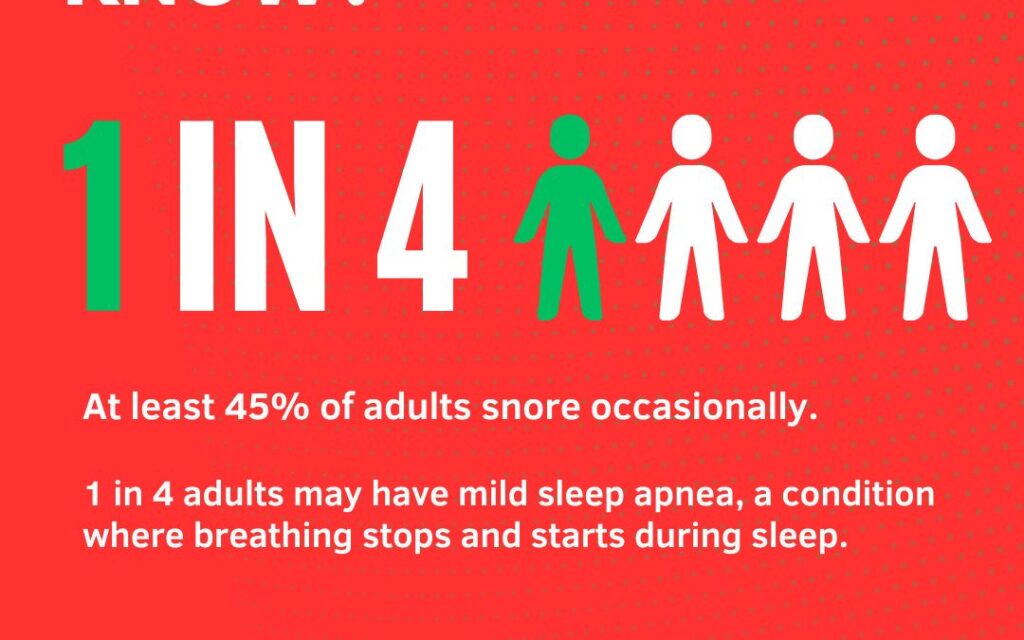
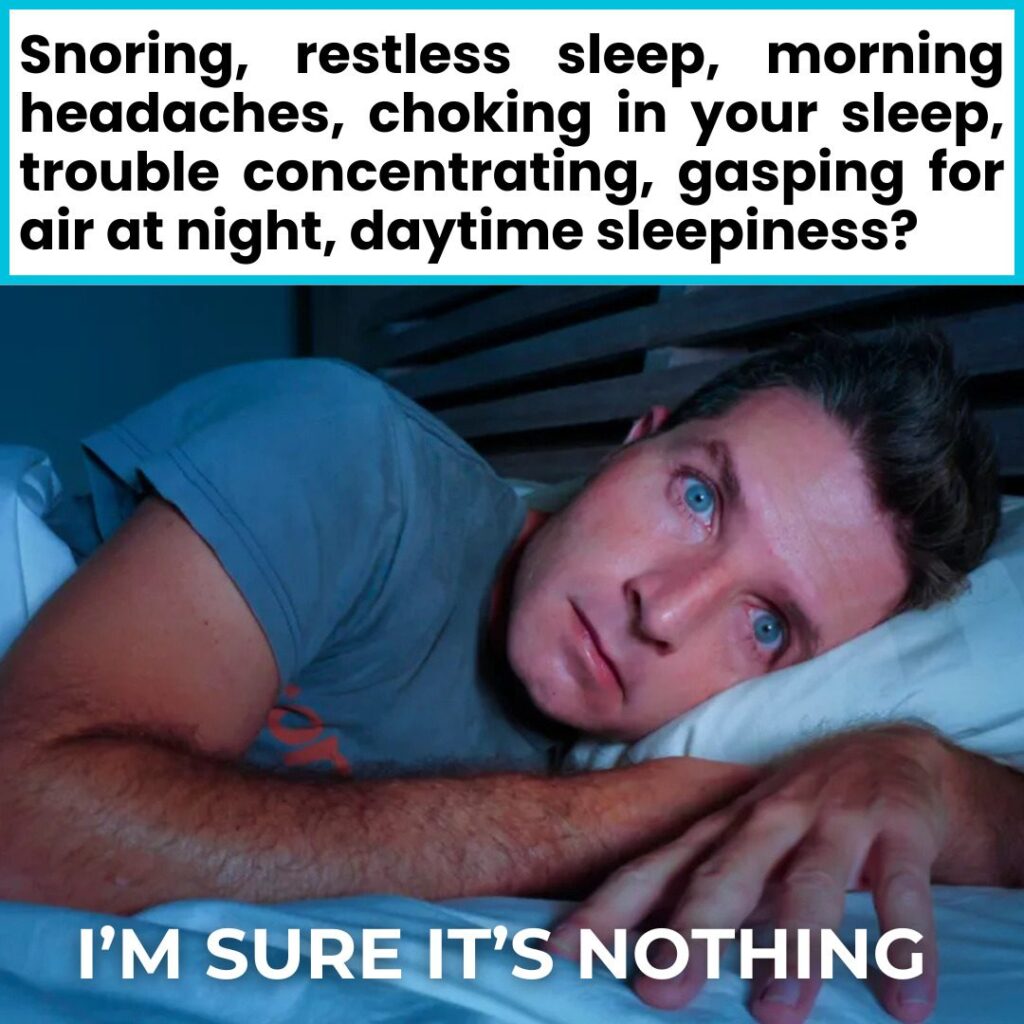
Do you find yourself waking up in the middle of the night, gasping for air or snoring loudly? Perhaps you often feel fatigued during the day, even after a full night’s sleep. These symptoms may be indicative of a common but often overlooked condition known as sleep apnea. In this blog post, we’ll explore what sleep apnea is, its potential health risks, and how your dentist can help you achieve a better night’s sleep.
But first, what is sleep apnea?
Sleep apnea is a sleep disorder characterized by repeated interruptions in breathing during sleep. These interruptions, known as apneas, can last for seconds or even minutes and may occur numerous times throughout the night. There are three main types of sleep apnea:
Obstructive Sleep Apnea (OSA): This is the most common form of sleep apnea and occurs when the muscles at the back of the throat relax excessively, causing a blockage in the airway.
Central Sleep Apnea (CSA): CSA is less common and involves a failure of the brain to send the proper signals to the muscles responsible for breathing.
Complex Sleep Apnea Syndrome: Also known as treatment-emergent central sleep apnea, this type is a combination of both OSA and CSA.
Dentures can be uncomfortable and inconvenient. They require frequent adjustments and can slip or move around in your mouth. On the other hand, dental implants are a permanent solution that eliminates the need for adhesives and removal.
They are also more comfortable than dentures, as they don’t move around in your mouth. With dental implants, you can enjoy a more comfortable and convenient restoration.
The Health Risks of Sleep Apnea
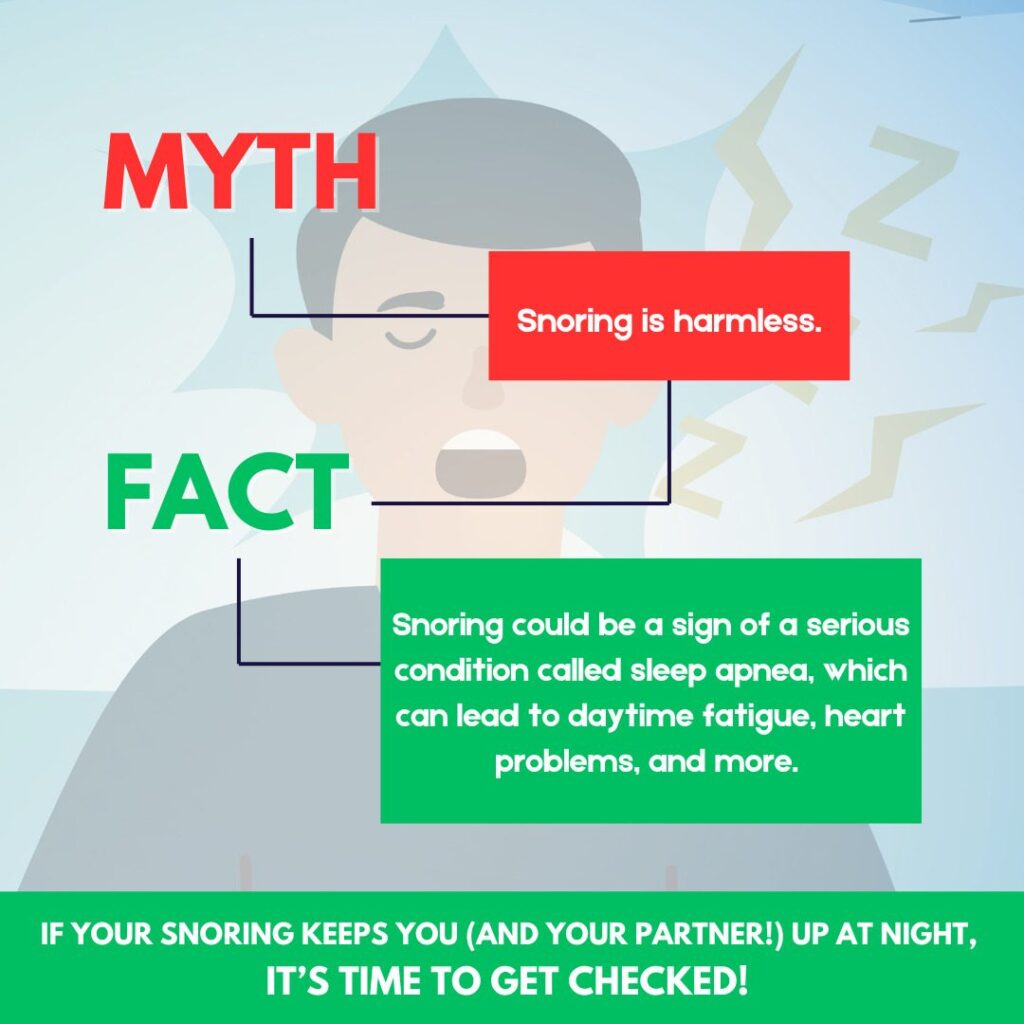
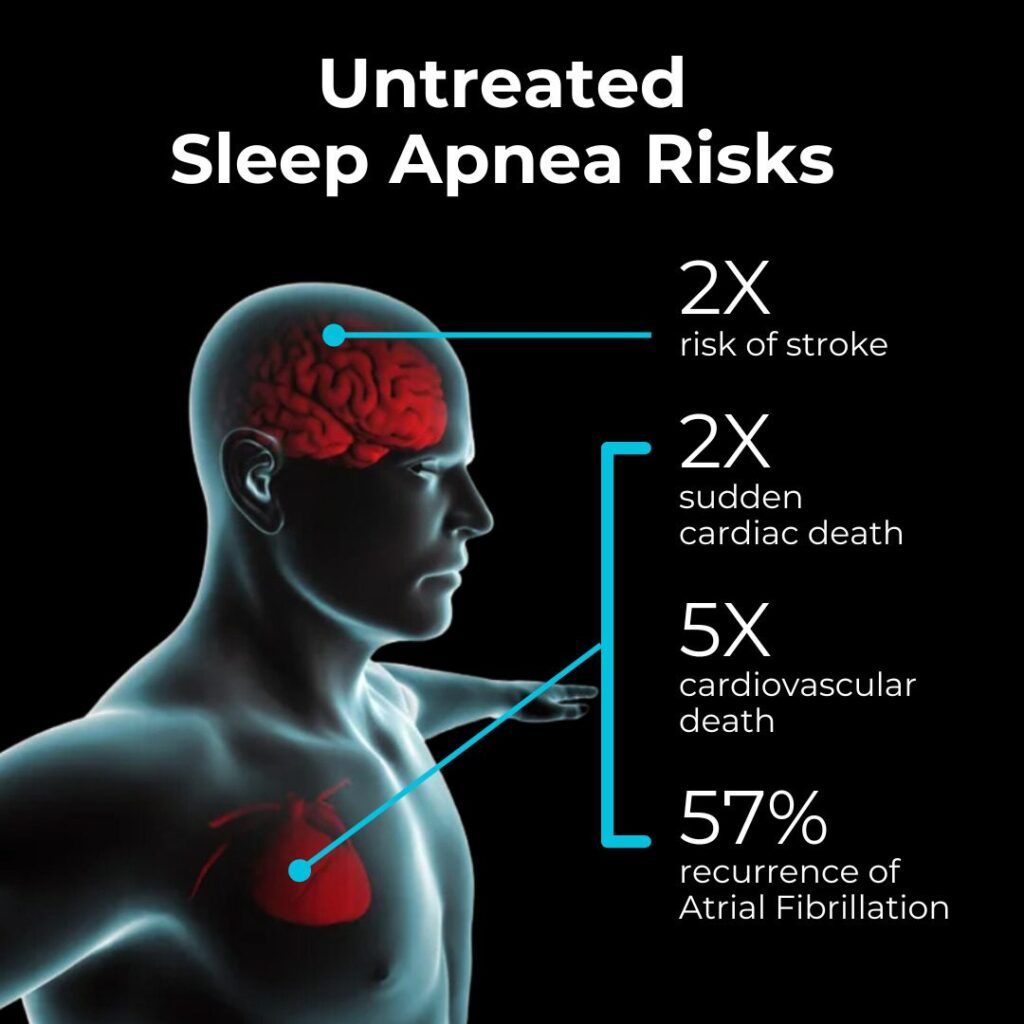
Sleep apnea isn’t just about loud snoring and feeling tired during the day. It can have serious consequences for your health if left untreated. Some of the potential risks associated with sleep apnea include:
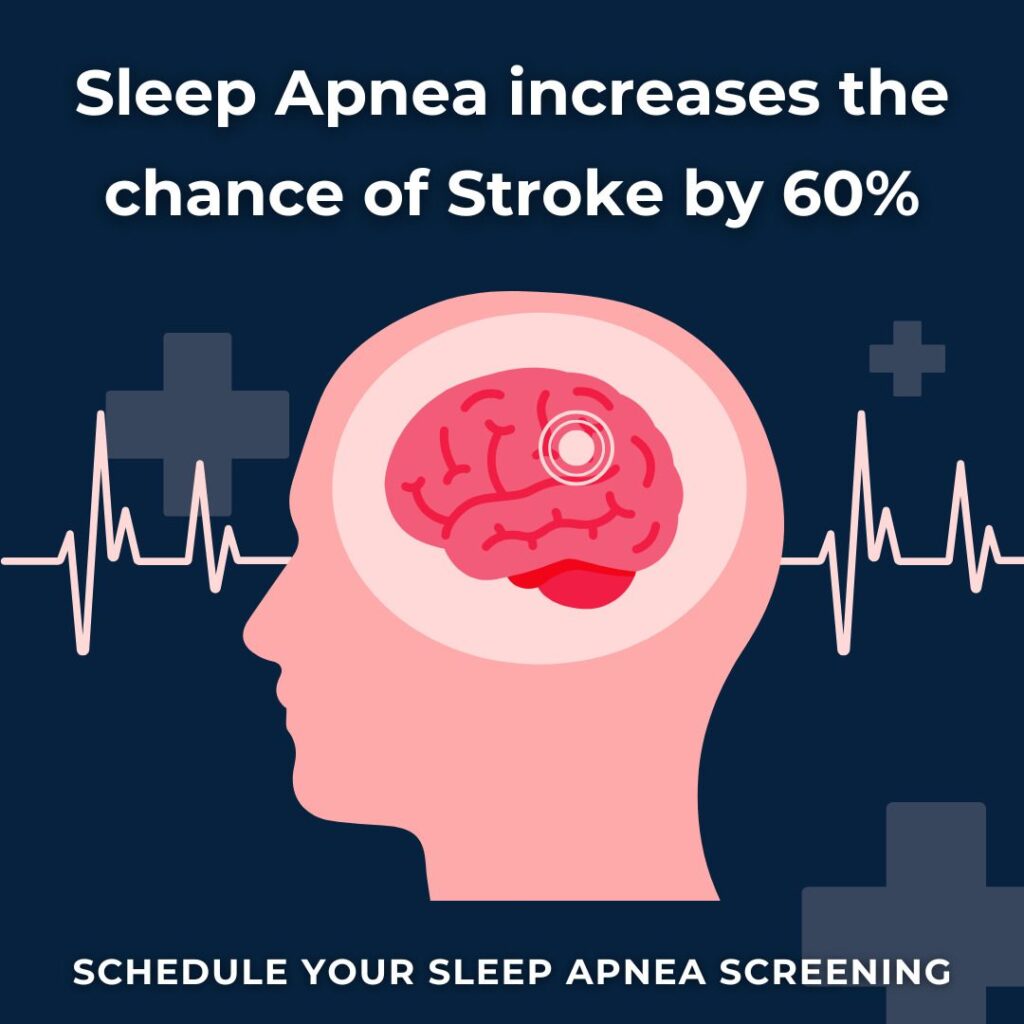
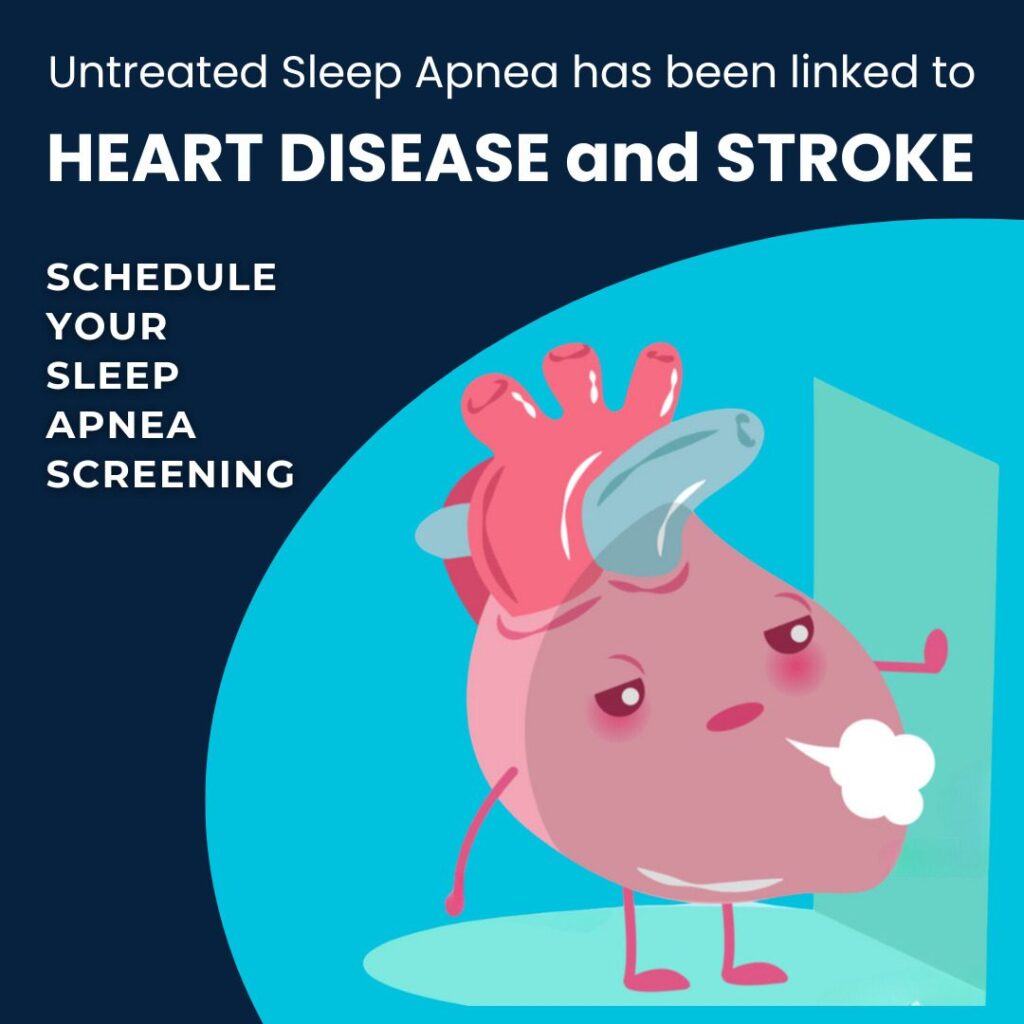
Cardiovascular Issues: Sleep apnea has been linked to high blood pressure, heart disease, stroke, and irregular heartbeats.
Daytime Fatigue: Poor sleep quality can lead to excessive daytime sleepiness, which can be dangerous when performing tasks such as driving or operating heavy machinery.
Mental Health Concerns: Sleep apnea can contribute to mood disorders like depression and anxiety.
Weight Gain: There is a bidirectional relationship between sleep apnea and obesity, with one often exacerbating the other.
How we can help?
Surprisingly, Health Smiles Family Dental can play a crucial role in the management of sleep apnea. Here’s how:
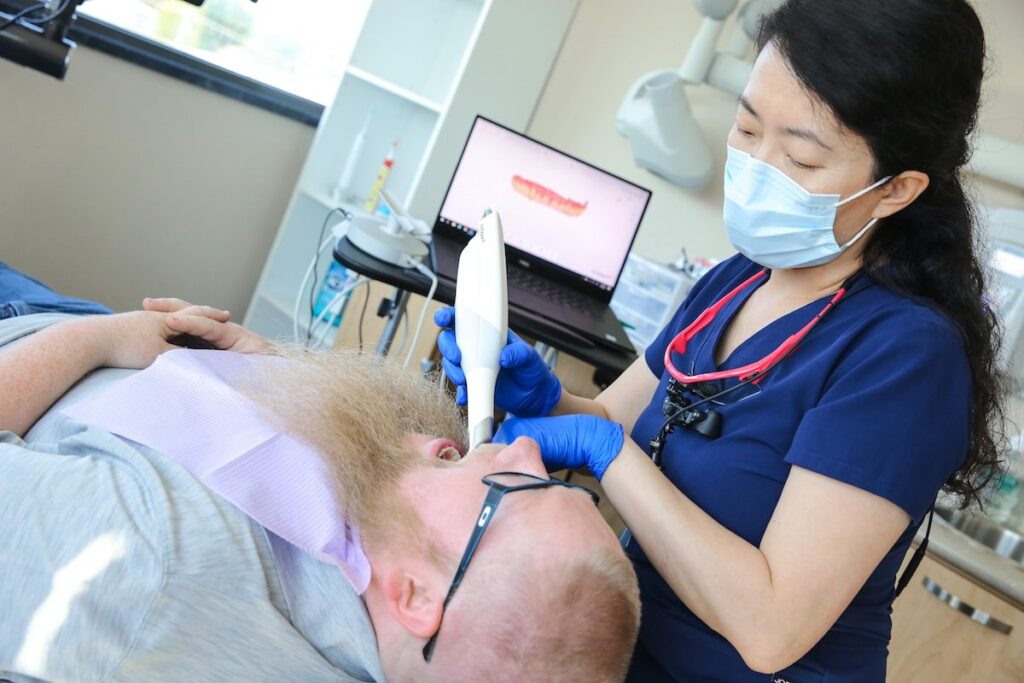
Oral Appliances: Dentists can create custom-made oral appliances that reposition your jaw and tongue to keep your airway open while you sleep. These devices are often more comfortable and less intrusive than CPAP machines.
Collaboration with Sleep Specialists: Dentists can work in tandem with sleep specialists to ensure you receive a comprehensive evaluation and tailored treatment plan.
Lifestyle Recommendations: Dentists can offer advice on lifestyle changes that can help reduce the severity of sleep apnea, such as weight management and positional therapy.
Regular Check-ups: Your dentist can monitor your oral health and the effectiveness of your oral appliance to ensure you are getting the best treatment possible.
Sleep apnea is a serious condition that can significantly impact your quality of life and long-term health. If you suspect you may have sleep apnea, it’s essential to seek professional help. Your dentist can be a valuable partner in your journey to better sleep and improved overall well-being. Don’t let sleep apnea continue to disrupt your nights—take the first step towards a more restful sleep by consulting with your dentist or a sleep specialist today. Your health and vitality depend on it.
At Healthy Smiles Family Dental, we specialize in providing sleep apnea treatment to our patients in Salem, OR.
If you are interested in getting back your best sleep, contact us today to request your appointment. We’ll work with you to develop a personalized treatment plan that meets your dental needs and longtime dreams.